Wire Fraud Protection: What a $31,000 Taqueria Scam Teaches Us
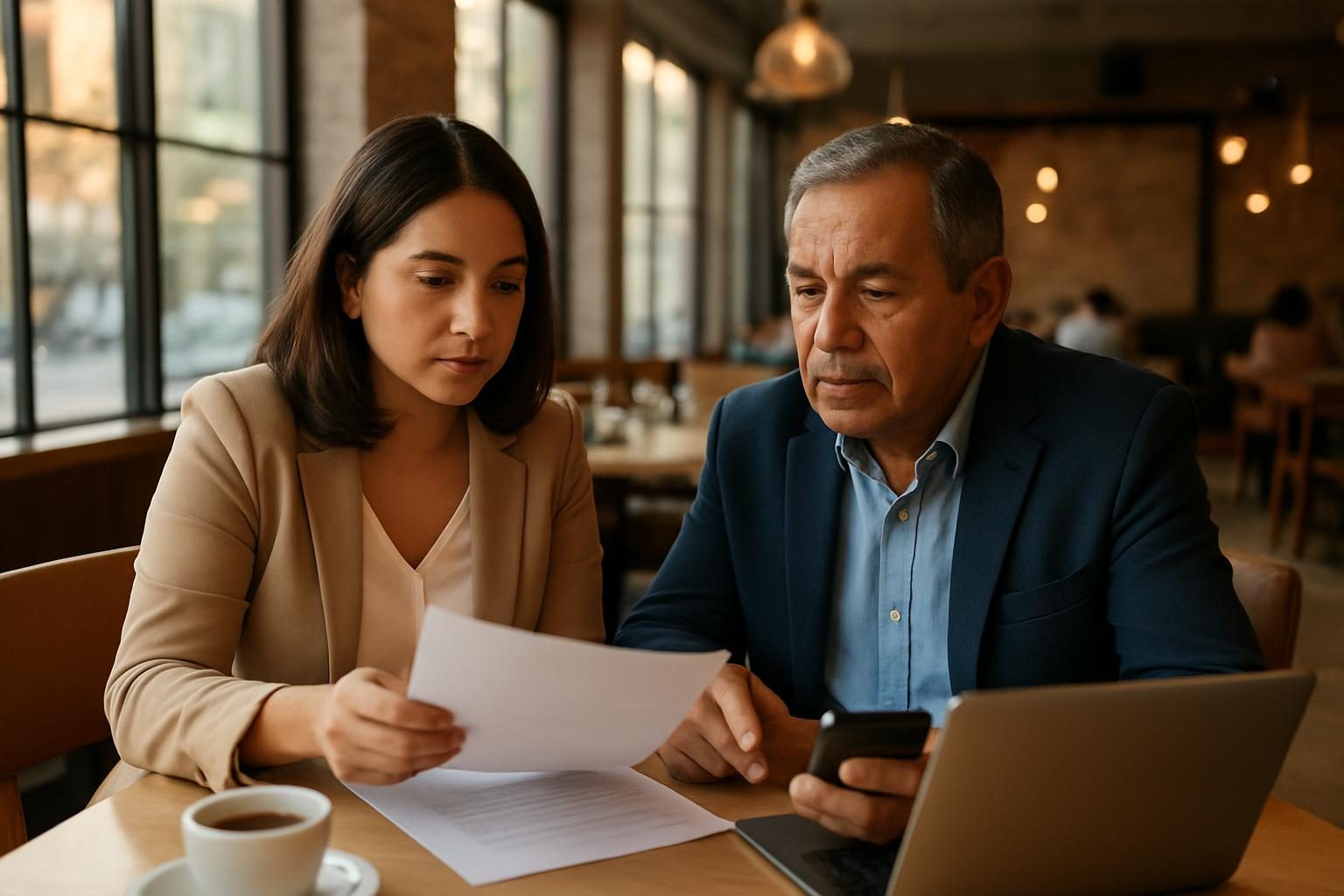
A well-known taqueria in Oakland and San Francisco made headlines this month after losing $31,000 to wire fraud. The story is a useful reminder for anyone who moves money for a living, a household, or a home purchase: wire fraud protection depends less on technology than on a few habits practiced every time.
What happened to Tacos Oscar
According to the San Francisco Chronicle, the owner first described the loss as a bank data breach. He later explained that it was a spoofing scam. A caller said they were from the bank's fraud department and wanted to review suspicious charges. After hanging up, he checked the account and found that $31,000 had been wired to another account for a "food truck purchase."
The aftermath was costly. The bank denied a reimbursement request because a wire transfer is treated as an authorized transaction, even when a scam prompted it. The bank also noted in a statement that federal protections differ for businesses and consumers. The business's insurer covered $10,000. The restaurant then received an outpouring of community support, and a fundraiser met its goal.
The owner called it a cautionary tale for other small businesses and people. That is the right way to read it. The people involved were not careless. The scam was convincing, and it worked on a busy morning.
Why this matters for homebuyers, sellers and agents
The same pattern shows up in real estate, where large, time-sensitive payments are normal. In a typical closing scam, a criminal gets into an email account tied to a home purchase and watches the deal move toward funding. They then send wiring instructions that appear to come from the agent or settlement agent but point to an account the criminal controls.
The numbers are growing. The FBI's Internet Crime Complaint Center received 12,368 real estate fraud complaints in 2025, with reported losses of $275.1 million, up from about $173 million the year before.
Sellers are targets too. Scammers may send a message that claims the seller's bank account information has changed, which redirects closing proceeds.
Wire fraud protection habits that work
The advice from title and real estate sources is consistent. These are general practices, not legal advice:
- Verify by phone, every time. Confirm wiring instructions by phone, using a number you already trust.
- Never use contact details from the message itself. Don't call a phone number that appears in the email.
- Set up your contacts early. The CFPB suggests identifying trusted people before closing, writing down their contact information, and confirming wiring instructions in person or at a number you previously agreed on.
- Treat changes as red flags. If wiring instructions change at any point, stop and verify by phone before sending money.
- Secure your email. Turn on two-factor authentication for the email account tied to your real estate transaction.
- Be wary of urgency. Pressure to act immediately, or to keep a change confidential, is a classic warning sign.
The bank-impersonation call in the taqueria case follows the same principle. If someone calls claiming to be your bank, hang up and call the number printed on your card or statement. Don't rely on the caller ID.
What to do if money has already gone out
Speed matters. For real estate wires, guidance from a title company is to call your bank and ask for a wire recall. Then contact the title company, your agent and your lender, and file a report with the FBI's Internet Crime Complaint Center at ic3.gov.
Recovery is never guaranteed. The Tacos Oscar owner said insurance covered $10,000 of the loss and the rest was gone. If you run a business, a conversation with your insurance agent about whether fraud losses are covered, and to what limit, is worth having before anything goes wrong. Your attorney can advise on your specific situation.
Where notarization fits in
A notary does not move your money or check wire instructions. A notary's role is to confirm who is signing and that the signer is acting willingly. That is why every signer needs a valid, unexpired government-issued photo ID, and why documents should stay unsigned until the notary is present.
Still, a careful closing is built from many small verification steps, and identity verification is one of them. Closings can be done in person at an in-office notarization location in downtown Dallas, with a mobile notary across Dallas–Fort Worth, or through remote online notarization for signers elsewhere in the U.S. Whatever the format, confirm payment instructions through your title or escrow company by phone, separately from any signing appointment.
Frequently asked questions
Is a wire transfer reversible?
Not reliably. Wires move quickly, and the bank in the taqueria case treated the transfer as authorized even though a scam caused it. If you suspect fraud, call your bank immediately and ask about a recall, then file a report at ic3.gov.
Does the same advice apply to small businesses?
Yes. The core habit is the same: confirm any request to move money through a channel you already trust, not the one the request came through. Business accounts may have different protections than consumer accounts, so ask your bank and insurance agent what applies to you.
Should I verify wiring instructions even if the email looks legitimate?
Yes. Criminals copy real emails, including replies that look like part of a genuine thread. A short phone call to a known number is the simplest safeguard.
This post is general information, not legal advice. Notary rules differ from state to state; for advice about your own documents or situation, talk with an attorney.
Notary services for your business
In-office, on-site and online notarizations for Dallas–Fort Worth businesses, plus I-9 verification and business document services. Bring valid, unexpired photo ID and leave your documents unsigned until we're together.
The monthly Uptown Notary newsletter
Once a month, every post in one email: industry news, notary know-how and Uptown Notary announcements. No spam, unsubscribe any time.